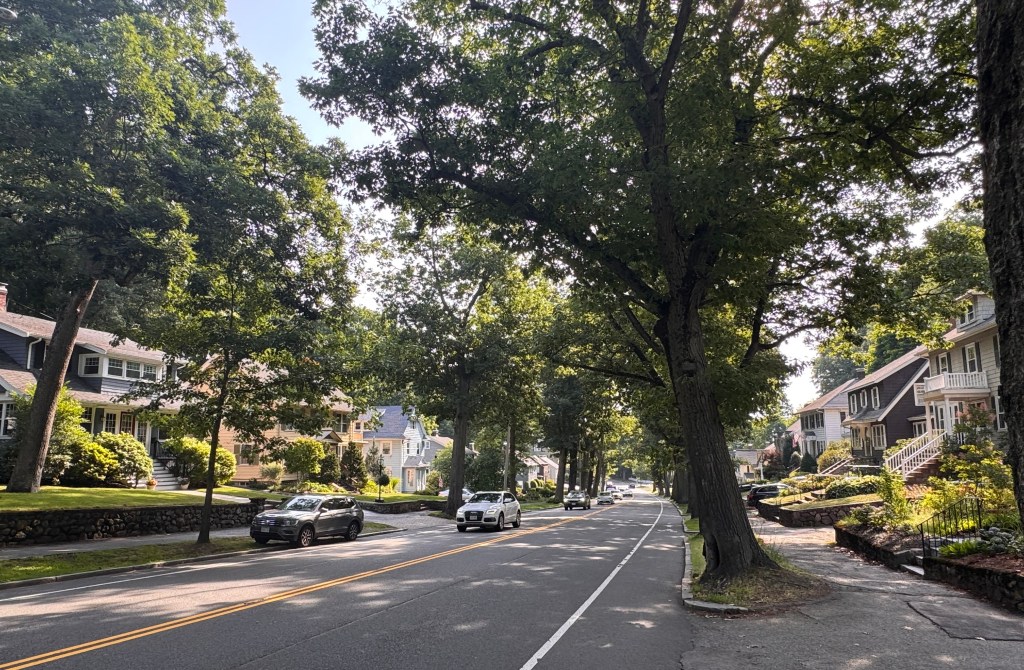
Entering Melrose from Stoneham, as you crest the hill of Lynn Fells Parkway and dip under the welcoming cover of the parkway’s canopy, it’s easy to see why our towering trees are the pride of Melrose (and why this beautiful area was selected to be on the National Register of Historic Places).
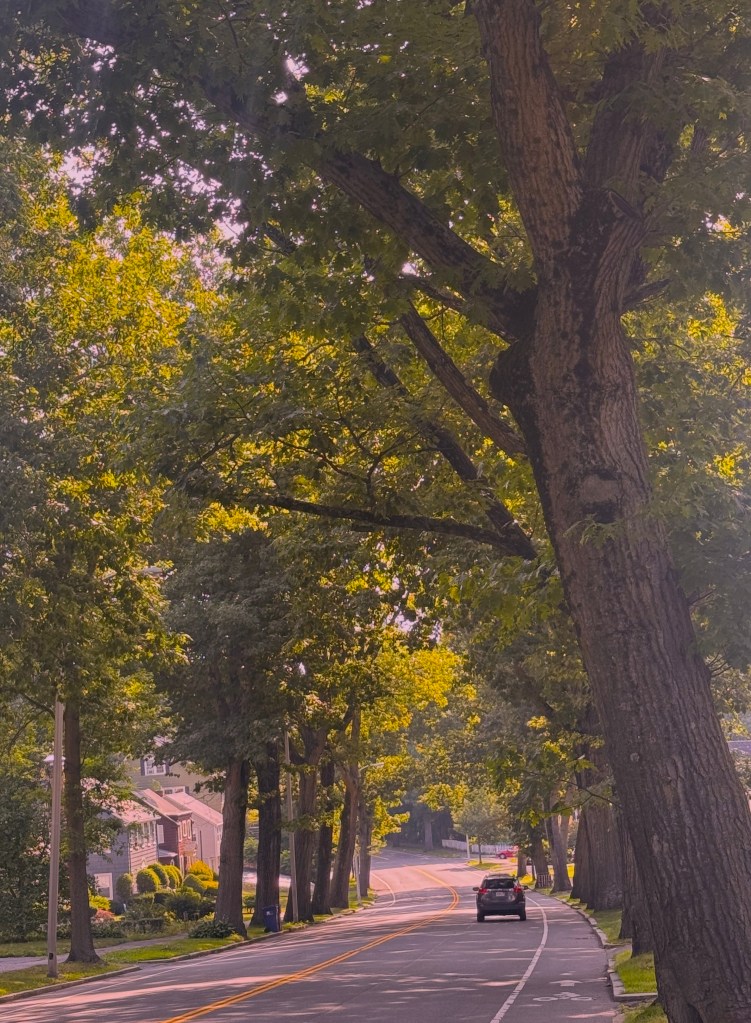
Trees define many of our neighborhoods, like the century-old beech trees of the East Side or the stately sycamores surrounding Mount Hood. Preserving these trees is vital to our community’s character, infrastructure, and ecosystems.
With the Melrose Tree Project, we are following in a long line of tree stewardship that helped our city recover from the deforestation of the 1700s and early 1800s through civic action and the generosity of thoughtful citizens, including:
1853
Sewall Woods area annexed to Melrose, conserving a 35-acre nature reserve among a neighborhood of about 25 homes, now known as Sewall Woods Park
1888
Pine Banks Parks established from land granted by Elisha Slade Converse
1893
Middlesex Fells Reservation created as a public park, completing the vision of Elizur Wells begun in the 1840s
1905
3,000 trees planted around the city by Sam Sewell and the Melrose Beautification Committee
1930s
Land donated as part of President Franklin D. Roosevelt’s Works Progress Administration became Mount Hood Memorial Park and Golf Course
1970s- 90s
1972 MA Wetlands Protection Act, 1996 Rivers Protection Act, and 2007 City of Melrose Wetland ordinance Chapter 231 ensure conservation of waters, wetland, floodplain, wildlife habitats and land within 100 feet of a protected resource
1977
Flagg Acres Conservation Area established off of Swains Pond Avenue through a donation by the Towner-Flagg family, whose home sat on the shore of Towner’s Pond for more than 125 years
2022
Earth Day pledge by the City of Melrose to plant and protect trees as part of their Net Zero Action Plan
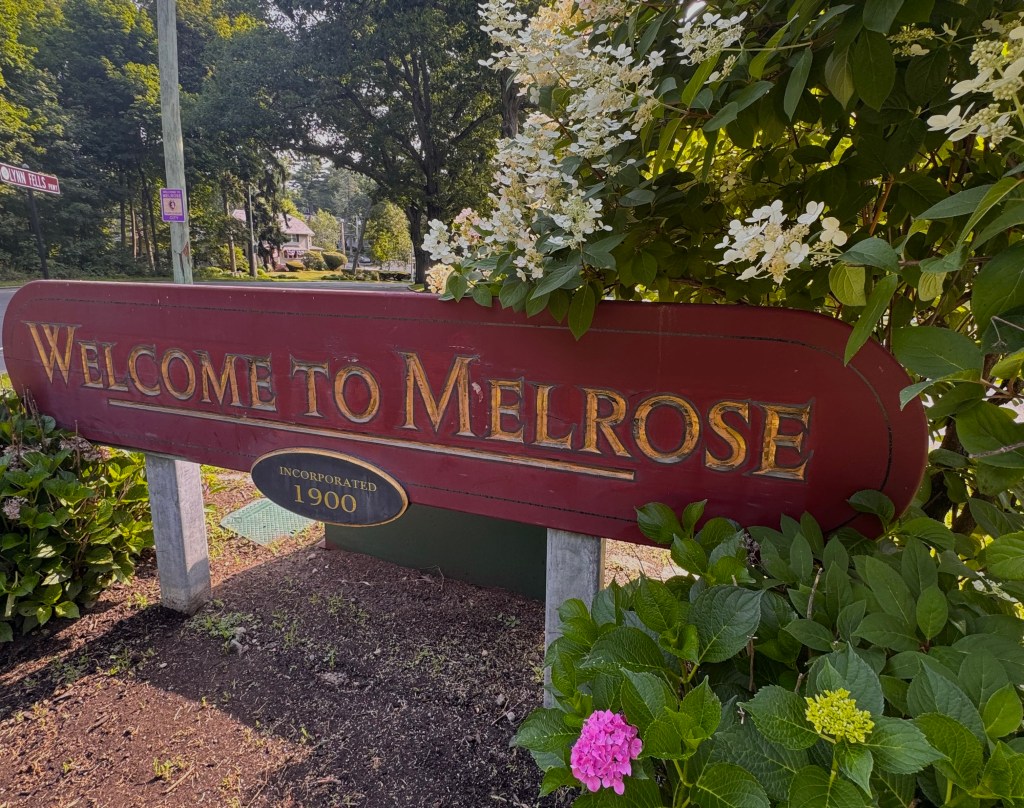
Volunteers with the Melrose Tree Project are working to gather information about the many significant locations and species of our city’s trees. Please click here to get in touch if you’d like to help! Or click below to learn more about some of our local species: